
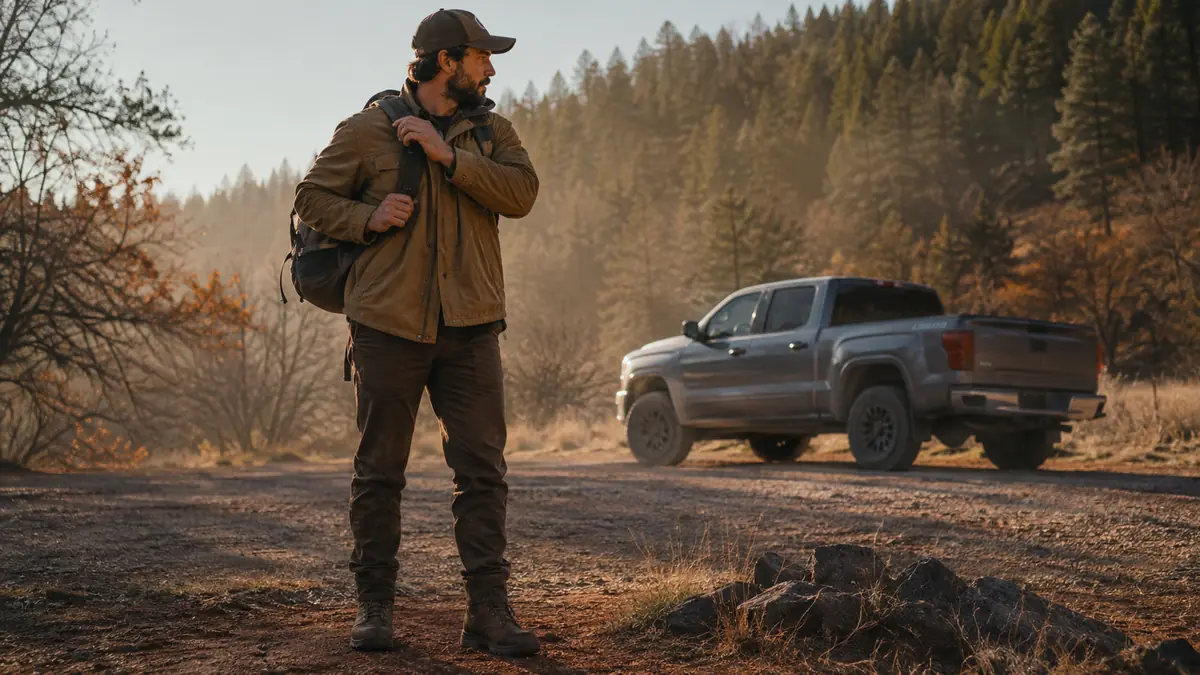
Short answer first, since I know that's what half of you scrolled down here for. The G4Free daypack is the one riding in the bed of my truck right now, folded down to about the size of a rolled-up sock, ready for whatever a Saturday turns into. It's not because it's the better built pack. It isn't. The Osprey Daylite is a genuinely better piece of gear, put together with a real harness system and backed by a warranty that G4Free simply doesn't offer. But better built doesn't always mean better for the job, and after carrying both of these on real trails out of the same truck, I can tell you exactly where each one earns its keep and where it doesn't.
This isn't a spec sheet comparison pulled off a product page somewhere. I bought the G4Free on a whim last spring because I wanted something I could toss in a glove box without thinking about it, and a buddy of mine has run an Osprey Daylite for a couple years now on longer weekend hikes. We've swapped packs on the same trail more than once just to see how the other guy's setup felt under a real load, water bottles, a jacket, a camera, the stuff you actually carry instead of what a marketing photo shows you carrying.
The two of them aren't really built for the exact same job either, and that's worth saying plain before you look at a single row in the table below. G4Free markets its pack as something you fold up and forget about until you need it, a travel bag as much as a hiking bag. Osprey builds the Daylite as a dedicated day hiking pack first, meant to be worn, loaded, and put through repeat use for years. Comparing them isn't really apples to apples, but that's exactly why the comparison is useful. Most people shopping for a daypack aren't sure yet which of those two jobs they actually need done.
| G4Free Daypack | Osprey Daylite | |
|---|---|---|
| Packability | Folds flat into its own front pocket, small enough to stuff in a glove box or jacket pocket | Structured shell holds its shape, doesn't collapse down, takes up real space in a bag or trunk |
| Suspension and Load Carrying | Thin foam back panel, no frame, starts to dig in once you're carrying real weight | Real harness with a padded back panel and a proper hip belt on most versions, carries weight noticeably better on longer miles |
| Strap Padding | Thin padded straps, fine for an hour or two, start to bite on a warm day with a loaded pack | Wider, thicker mesh-backed straps that breathe better and don't dig in the same way over a longer stretch |
| Organization and Pockets | Main compartment plus a front zip pocket and side mesh pockets, simple and workable | More dedicated pockets and internal organization, better suited to keeping smaller gear sorted on a longer day out |
| Fabric Durability | Lightweight nylon, holds up fine to normal trail use but shows wear faster if it's dragged over rock or brush | Heavier, more abrasion-resistant fabric that shrugs off brush and rock contact better over the long haul |
| Warranty and Support | Standard Amazon return window, no extended manufacturer warranty to speak of | Backed by Osprey's All Mighty Guarantee, a real lifetime warranty that covers wear and damage over years of use |
| Best Use | Day hikes, travel days, a backup pack you keep in the truck for whenever a trail shows up | Regular weekend hikers who want one pack that holds up for years and carries real weight comfortably |
Where G4Free Wins
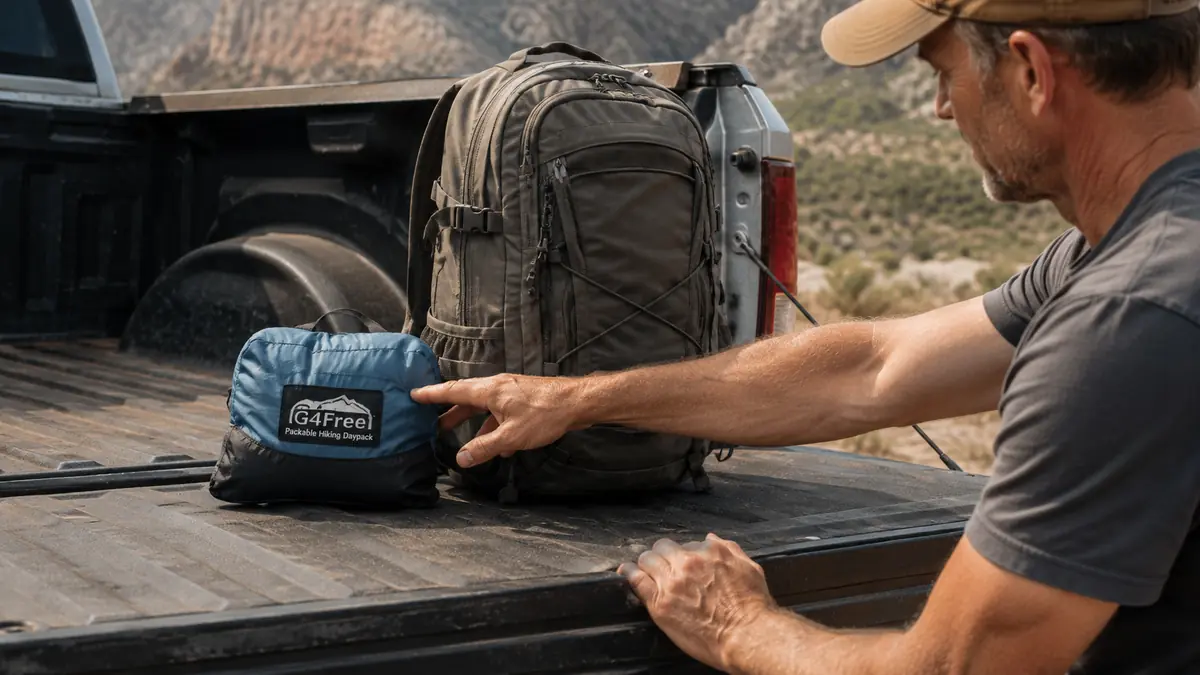
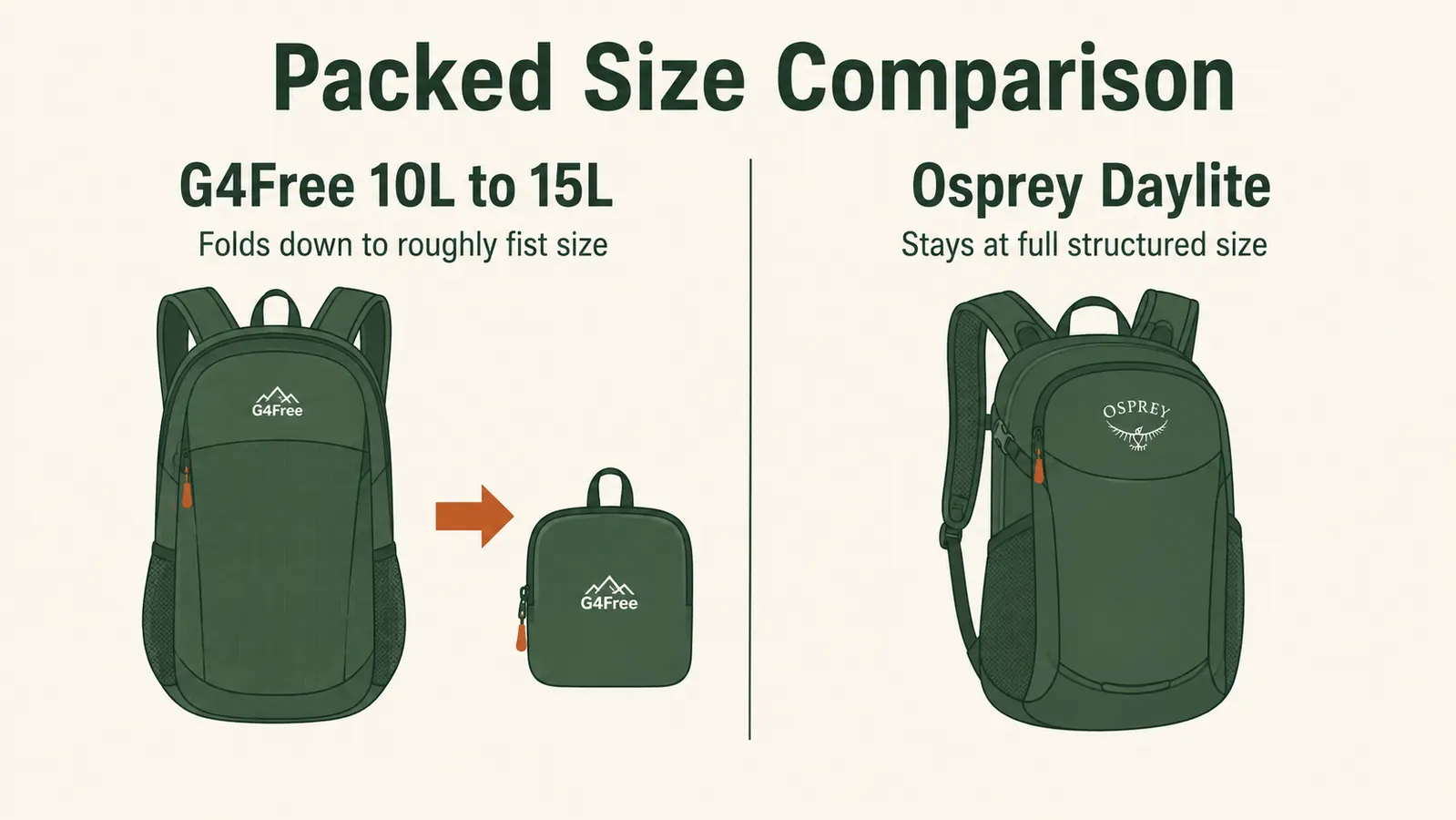
The first place G4Free pulls ahead, and it's the whole reason I bought it, is how small it packs down. The thing folds into its own front pocket and shrinks to about the size of a rolled-up sock, which means it lives in the truck year round without me ever thinking about it taking up space. When my nephew showed up wanting to hit a trail he'd seen on his phone, I had a second pack ready in about ten seconds instead of digging through a closet. That kind of convenience doesn't show up on a spec sheet, but it's the difference between a pack that gets used and one that sits at home.
It's also light enough that you forget it's there when it's empty, which matters if you're the type who keeps a daypack around as a just-in-case item rather than a dedicated piece of gear. G4Free sells it in a 10L and a 15L size, and either one is plenty for water, a light jacket, and snacks on a half day out. For a day hike, a museum trip on vacation, or a quick scouting walk before deer season, that's really all you need.
The other place it earns points is price. It's cheap enough that I don't think twice about tossing it in the dirt, letting a dog sit on it in the truck bed, or handing it off to somebody who's rougher on gear than I am. That's a real advantage worth naming plainly. A pack this affordable is one you can treat as close to disposable, and for a spare bag or a first daypack for a kid who's still figuring out if hiking is even their thing, that matters more than build quality most of the time.
I've also used it as a straight up travel bag more than once, folded flat in a suitcase on the way out and then filled with a jacket, a water bottle, and a paperback for the flight home. That's a job the Daylite could technically do too, but it's not built to disappear the way the G4Free does when you don't need it. That flexibility, being a real daypack on the trail and a packable travel bag the rest of the time, is where the G4Free earns more credit than its price tag suggests.
Where Osprey Daylite Wins
The Osprey Daylite earns its reputation the honest way, through carrying comfort. Once you load either pack past the bare minimum, the difference shows up fast. The Daylite has a real back panel and a hip belt on most versions, which pulls weight off your shoulders and settles it on your hips the way a proper pack is supposed to. My buddy's run his on trips where he's carrying a real load, a jacket, extra water, a first aid kit, camera gear, and it never starts digging into his shoulders the way a thinner pack will by mile four.
The fabric holds up better too. It's a heavier weave that shrugs off brush and rock scrapes without showing it the way a lighter nylon will, and after a couple years of regular use his still looks like it's got plenty of life left in it. Osprey backs that up with their All Mighty Guarantee, a real warranty that covers wear and damage for the life of the pack. That's not a small thing. If a strap ever fails or a zipper gives out, you're not just out a pack, you've got a company standing behind it.
It's also better organized inside. More pockets, better sorted compartments, a setup that makes sense once you've got more gear than water and a granola bar to keep track of. For anybody who hikes regularly and wants one pack that does the job for years without babying it, the Daylite is the smarter buy, even though it costs more and doesn't fold down into your pocket.
None of that is a knock on the G4Free, it's just a different kind of pack built for a different kind of hiker. If you're the guy putting in serious weekend miles week after week, that structured harness stops being a nice-to-have and starts being the reason your shoulders don't hate you by the truck at the end of the day.
Tired of a Pack That Never Leaves the Closet?
The G4Free daypack folds down small enough to live in your truck or your carry-on, so it's actually with you when a trail shows up instead of sitting at home. Check today's price and see the current rating for yourself.
Amazon Check Today's Price on Amazon →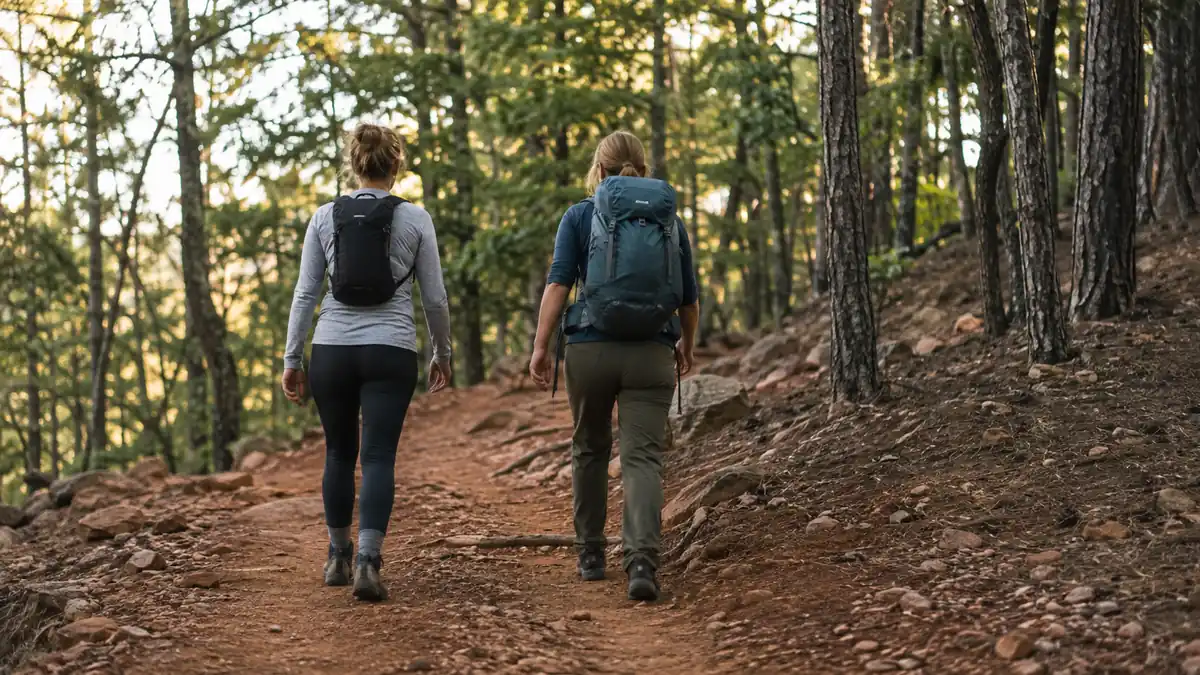
Who Should Buy Which
If you want a spare pack that lives in the truck, a travel bag that folds into your suitcase, or something cheap enough to hand a kid without worrying about it, the G4Free daypack is the right call. It's light, it packs down to almost nothing, and it does everything you actually need on a day hike without asking you to spend real money on a pack you might use twice a month. I've read through my full review of the G4Free daypack if you want the longer breakdown of how it's held up after months on the trail.
If you hike regularly, carry real weight, and want one pack that's going to last years instead of one season, the Osprey Daylite is worth the step up. The harness alone makes a difference once you're past an hour or two on your feet, and the warranty means you're not starting over from scratch if something wears out down the road. It's the pack I'd point a serious weekend hiker toward without hesitation.
Plenty of guys I know end up owning something like both, honestly. A folding pack for the truck and the quick trips, and a real structured pack for the days they know they're putting in real miles. If you're only buying one, be honest with yourself about which kind of hiker you actually are, not the one you picture yourself becoming. For the honest verdict after months of hiking with the G4Free, that's the piece to read next before you decide.
Cost is worth weighing here too, and it shifts from time to time, so check today's price on both before you decide. The gap between them isn't small, and it's a fair question whether that gap is worth paying for your kind of hiking. If you're mostly a day-hiker who wants a pack that's there when you need it and gone when you don't, spend the smaller amount. If your knees and shoulders are already telling you they want better support on the trail, the bigger spend on the Daylite pays for itself in comfort alone.
Don't Let a Bulky Pack Talk You Out of the Trail
The G4Free daypack folds small, weighs almost nothing, and has been the pack riding in my truck bed all season for whenever a trail shows up.
Amazon Check Today's Price on Amazon →