
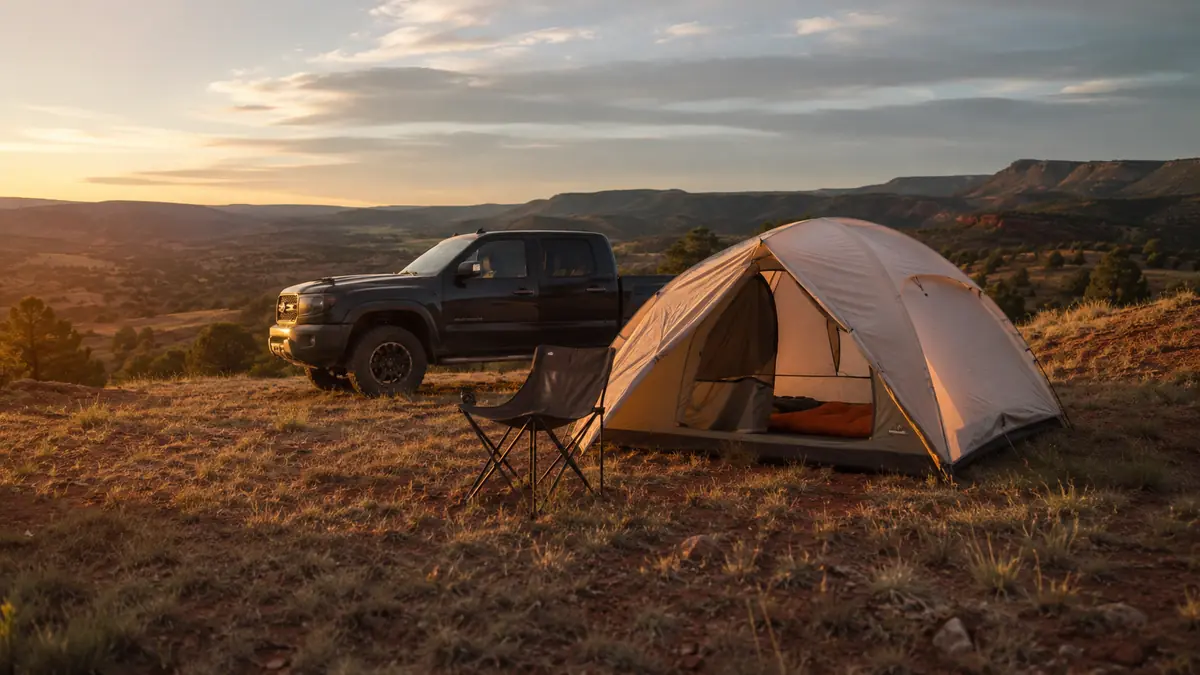
I bought the Amazon Basics Camping Tent last spring to replace a dome tent that had finally given up after eight years of hard use, and I wasn't expecting much out of a tent that costs less than a decent pair of hunting boots. My first night with it was a dry, easy pitch on a ridge above a stock pond, the kind of night that tells you nothing about how a tent actually performs. It's what happened over the following months, through a hard rain that soaked my old truck's floor mats through a cracked window, a wind event that had the rainfly cracking like a bullwhip, and more family weekend trips than I bothered counting, that told me what this tent is really made of.
This isn't a first-impressions review out of the box. I've now pitched this same Amazon Basics tent somewhere north of fifteen times since spring, on everything from packed red dirt to soft creek-bottom grass, in weather ranging from a clear cool morning to a genuine storm cell that rolled through faster than the forecast promised. What follows is what actually held up, and what didn't.
The Quick Verdict
For the money, this dome tent earns its keep on easy weekend trips and family camping, but a thin floor, real condensation issues, and shaky wind performance mean it's not the tent I'd trust on an exposed ridge in a real storm.
Amazon Check Today's Price →Tired of paying mountaineering prices for a tent you use four or five weekends a year?
The Amazon Basics Camping Tent isn't trying to be a four-season shelter, and it doesn't pretend to be one. For casual family trips and fair-weather camp, it's held up better than I expected. Check today's price and see if it fits the kind of camping you actually do.
Amazon Check Today's Price on Amazon →How I've Used It
My use case is family camping and the occasional solo trip when I need a quick basecamp before a morning hunt. That means this tent has gone up on a gravel bar next to a creek with my kids running around it before I'd even staked the last corner, and it's gone up alone in the dark after a long drive when all I wanted was somewhere dry to crash before first light. I'd guess I've logged close to thirty nights sleeping in it total, spread across day trips, overnighters, and one stretch where we based out of it for four straight nights during a family reunion at a state park.
I didn't treat it gently. It's been packed wet into its stuff sack more than once, which I know isn't good practice but is real life when you're breaking camp in the rain with two kids asking when breakfast is. It's ridden loose in the bed of my truck under a tarp, gotten set up on gravel that I'm sure left a mark or two on the floor, and spent one memorable night getting hammered by wind gusts strong enough to flex the poles visibly in the dark. That's the kind of use that tells you something a showroom floor never will.
Setup: Easier the Second Time, and the Tenth
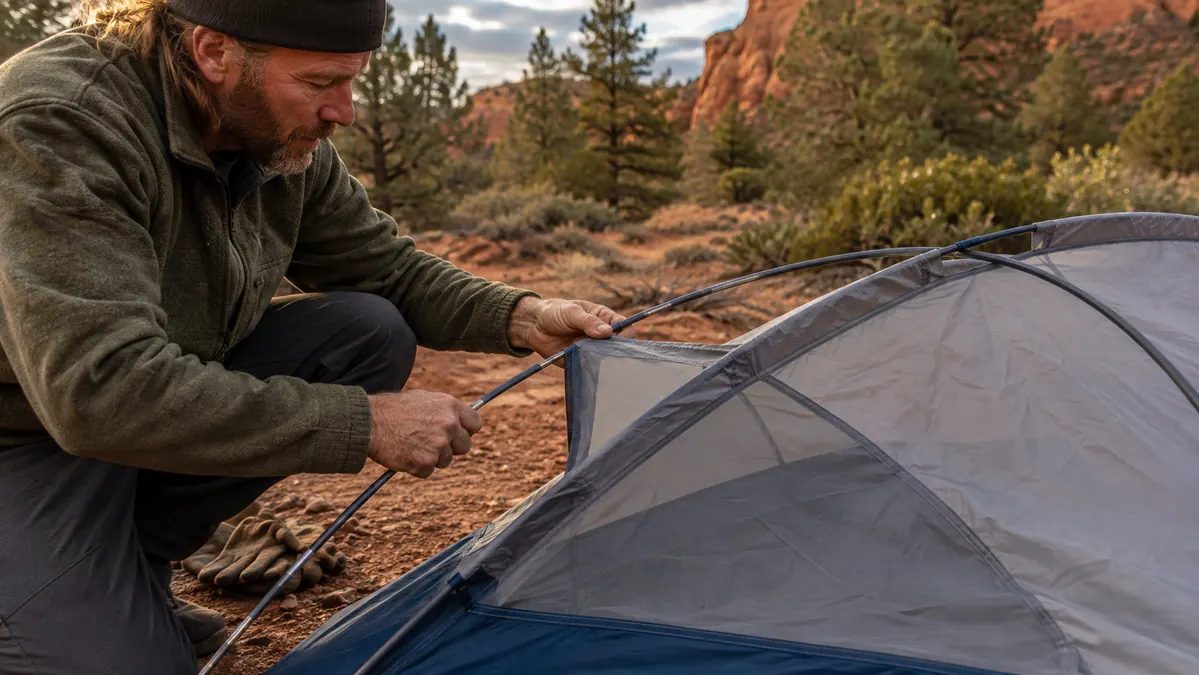
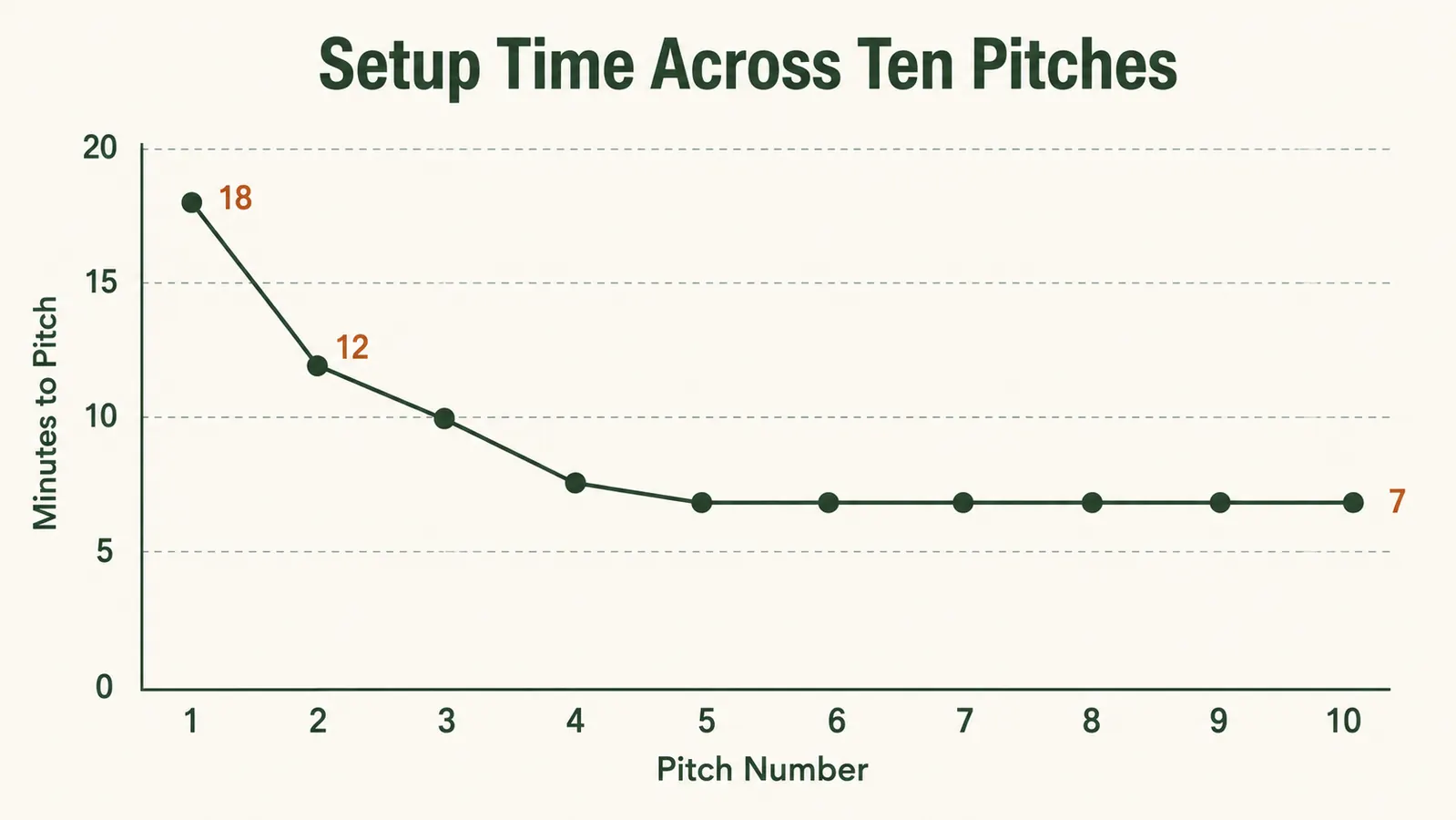
The first time I pitched this tent, alone, in a hurry, without reading the included instructions first, it took me a rough eighteen minutes and a fair amount of muttering to myself. The color-coded pole sleeves help once you know what you're looking at, but that first pitch is where most of the confusion happens, especially if you're used to a different tent's pole layout. By the second pitch, once I understood how the two main poles cross at the top and where the rainfly clips actually attach, I was down to around twelve minutes. By my fifth or sixth time setting it up, it had leveled off to about seven minutes, and it's stayed right around there ever since, even on my tenth pitch this season.
That drop from eighteen minutes down to seven is honestly the biggest thing that changed my opinion of this tent for the better. It's not a tent you fumble with every single trip once you've got the pattern down, and for a family trip where you're also unloading a cooler and unpacking chairs, having the tent up in under ten minutes matters more than it sounds like it would. The dome design means it self-supports once both main poles are crossed and clipped in, so you can get the body standing before you even start staking it out, which helps a lot on uneven ground.
The stakes that come included are serviceable on soft dirt and grass but they're thin, and I bent two of them trying to get purchase in some rocky ground last month. I've since started carrying a set of heavier stakes in my camp box just for this tent, which is a small extra cost but worth mentioning since the stock ones won't hold up everywhere.
Weather Performance: Where the Rain and Wind Test Started
The rainfly is where this tent earns most of its credibility as a genuine 3-season shelter rather than a fair-weather-only setup. I've had it through two real rain events now, one a steady overnight soak and the other a faster, harder storm cell that dumped a lot of water in under an hour. Both times the rainfly kept the inside of the tent dry where it mattered, along the walls and the main sleeping area. Water did pool slightly near one corner of the footprint during the harder storm, and I noticed a small amount of seepage where the floor met the wall seam, but nothing that soaked a sleeping bag or ruined the night.
Condensation is the honest weak spot. On cooler mornings, especially after a night with the rainfly fully closed for warmth, I've woken up to noticeable moisture beading on the inside of the tent walls and occasionally dripping onto whatever gear was pushed up against the fabric. This isn't unique to this tent, most budget dome tents with limited mesh venting do the same thing, but it's worth knowing going in. Cracking the rainfly vents or leaving a door partially unzipped when the weather allows helps, and I've made that a habit now on any night that isn't actively raining.
Wind is the other place I'd flag as a real limitation. That one rough night I mentioned, gusts strong enough to flex both main poles and snap the rainfly against the guy lines, had me up at two in the morning double-checking stakes and adding extra guy-out points I hadn't bothered with when I pitched it. The tent held, and nothing tore, but I wouldn't want to be counting on this shelter on an exposed ridge in genuinely bad wind. This is a tent built for a sheltered campsite, tree line or a lee side of a hill, not for standing up to open, unbroken wind on its own.
The Floor, the Fabric, and What a Season of Use Does to Them
The floor is the part I'd tell a buyer to respect most. It's noticeably thinner than what you'd find on a higher-end backpacking tent, and after a season of pitching on gravel bars, packed dirt, and one campsite with more roots than I'd have liked, I've got a couple of small worn spots I'm watching closely. Nothing has punctured through yet, but I've made a footprint or a cheap tarp a non-negotiable part of setup now, laid down under the tent before it ever goes up. Skip that step on rough ground and I'd expect a puncture eventually, not maybe.
The wall fabric and rainfly material have held their color and water resistance better than I expected given the price point. No fading that I've noticed, no delamination on the rainfly's coating, and the zippers, which I was honestly worried about most given how often kids were in and out of the tent all weekend, are still running smooth with no snags. That's the kind of durability that actually matters for a family tent that's going to get used, not babied.
What I Liked
- Setup time drops fast with practice, down to around seven minutes once you know the pole layout
- Rainfly genuinely kept us dry through two real rain events, including one hard storm cell
- Zippers and wall fabric have held up well through a full season of family use
- Dome design self-supports before staking, which helps a lot on uneven ground
- Affordable enough that it doesn't feel precious, which matters with kids in and out of it all weekend
Where It Falls Short
- Condensation on cool mornings is a real, regular issue with the rainfly fully closed
- Wind performance is limited, this isn't a tent for an exposed ridge in a real blow
- Floor material is thin enough that a footprint or tarp underneath is basically mandatory
- Included stakes are light-duty and bend easily in rocky or hard-packed ground
- Minor seam seepage showed up in the hardest of the two storms I pitched through
This isn't a tent I'd trust on an exposed ridge in a real blow. It's a tent for a sheltered campsite, tree line or the lee side of a hill, and inside those limits it's done exactly what I needed it to.
Alternatives I Considered Before Buying
Before I settled on this one, I looked hard at a Coleman Sundome, which is the tent most people my age grew up camping in. I've written up how it compares to the Coleman Sundome in more detail elsewhere on this site, but the short version is that the Sundome felt a touch sturdier in the poles and has a longer track record, while the Amazon Basics tent pitched faster and packed down smaller for the same rough footprint. For weekend trips where I'm loading and unloading the truck bed more than once a weekend, the smaller pack size and faster setup tipped things in this tent's favor for me.
I also thought about stepping up to a heavier canvas wall tent for base camp during hunting season, since I've used borrowed ones before and know they handle wind and cold far better. But those run a lot more money and take real time to set up and break down, which doesn't make sense for the quick weekend trips and family camping that make up most of my actual use. A dome tent like this one is simply the right tool for how most people camp most of the time, which is part of why a dome tent works for family trips in a way that a heavier, slower setup doesn't.
One more thing I'll mention since it's part of how I actually camp: the knife I keep in the tent vestibule stays there specifically because this tent has enough of a covered entry area to keep gear dry and within reach without it being inside the sleeping area itself. Small detail, but it's the kind of thing that tells you the tent was designed by someone who's actually camped, even at this price point.
Who This Is For
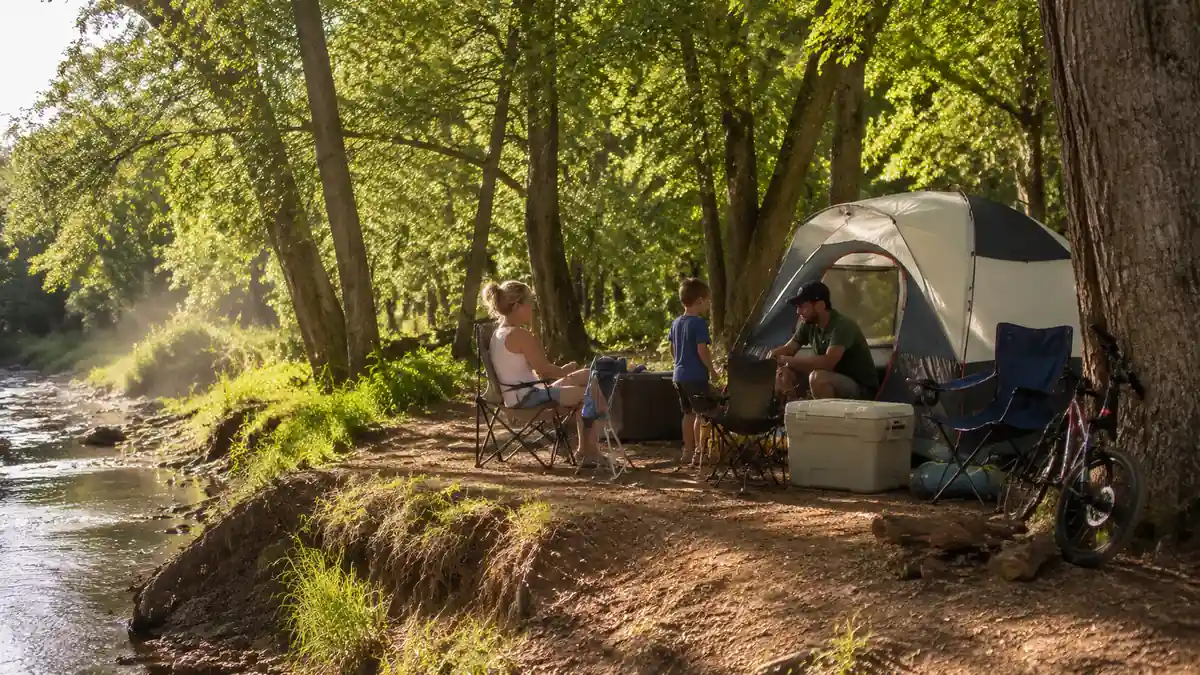
If you're camping with family on weekends, need a basecamp tent for a quick hunt or fishing trip, or just want a reliable shelter that doesn't cost as much as your rifle, this tent does the job. It's fast enough to set up that it won't eat into your evening, roomy enough for a couple of kids and their gear, and it's proven itself dry through real rain more than once for me now. For the price, that's a solid trade.
Who Should Skip It
If you're planning trips to genuinely exposed, high-wind country, backcountry basecamps above tree line, or spots where you can't pick a sheltered site, I'd look at something built with sturdier poles and a better wind rating. Same goes for anyone camping in cold, damp conditions often enough that condensation becomes a nightly fight rather than an occasional annoyance. This tent is built for the camping most people actually do, not the camping a gear catalog photographs on a mountaintop.
A season of family weekends and one rough night of wind later, this tent is still going up in my yard before every trip.
If you're looking for a straightforward, reliable dome tent for the camping you actually do, not the camping you see in a catalog, this one is worth a look. Check today's price before your next weekend out.
Amazon Check Today's Price on Amazon →