
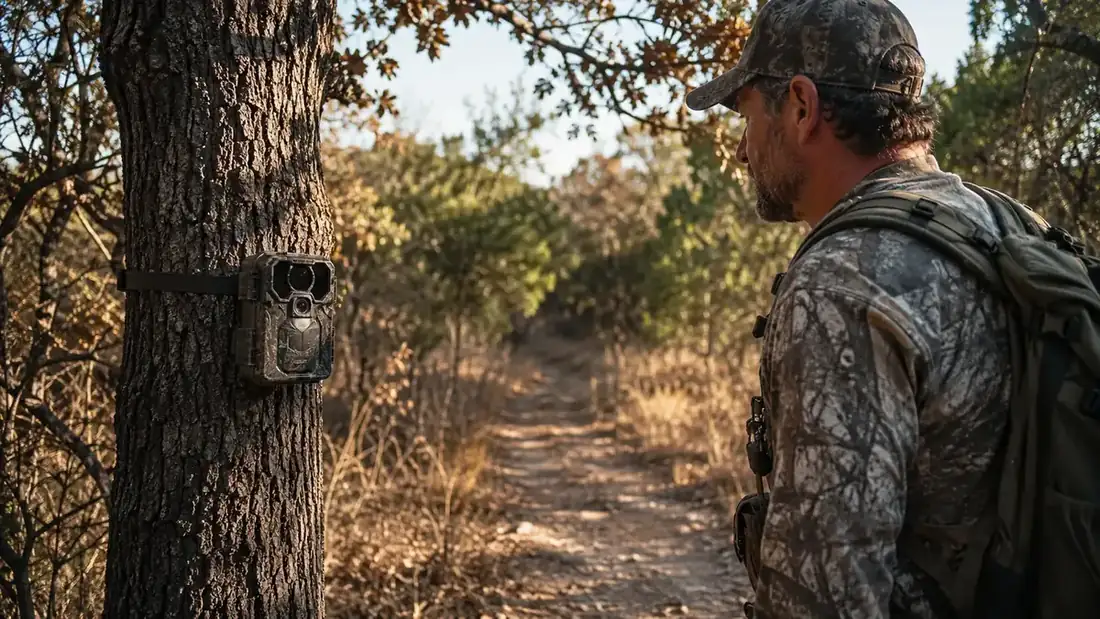
Every October for years I hunted my own ground blind. Not literally blind, I mean I hunted where I'd always hunted, not where the deer actually were that particular fall. I'd sit four days straight and cut maybe one fresh track worth trusting. That changed the year I strapped a trail camera to a cedar on the fence line behind my place outside Okemah and let it run for six weeks before season opened. What showed up on that little SD card told me more about the bucks crossing my property than fifteen years of walking it on foot ever had.
I run a GardePro E6 now on three different pinch points on our lease, and it has shaped where I hang a stand more than any scouting trip I've made since. My brother-in-law Dale still walks his whole eighty acres twice a week looking for rubs and scrapes, kicks up deer every time, and wonders why his sightings drop off right before season. I don't do that anymore. Here are ten reasons a trail camera, and specifically the GardePro E6, changes how you pattern deer before opening day.
See what's already walking your property right now
The GardePro E6 runs 24 hours a day so you don't have to guess. Check today's price and get one working for you before the next full moon.
Amazon Check Today's Price on Amazon →It Catches Every Deer That Walks By, Not Just the Ones You Happen to See
You can sit a stand fifteen times a season and still miss the biggest buck on the property because he came through at 2am or on a Tuesday you weren't there. A trail camera doesn't take a day off. The GardePro E6's motion sensor fires on anything that moves through its zone, day or night, and over six weeks that adds up to hundreds of triggers you'd have never seen with your own eyes.
No-Glow Night Vision Means You Don't Spook the Deer You're Trying to Pattern
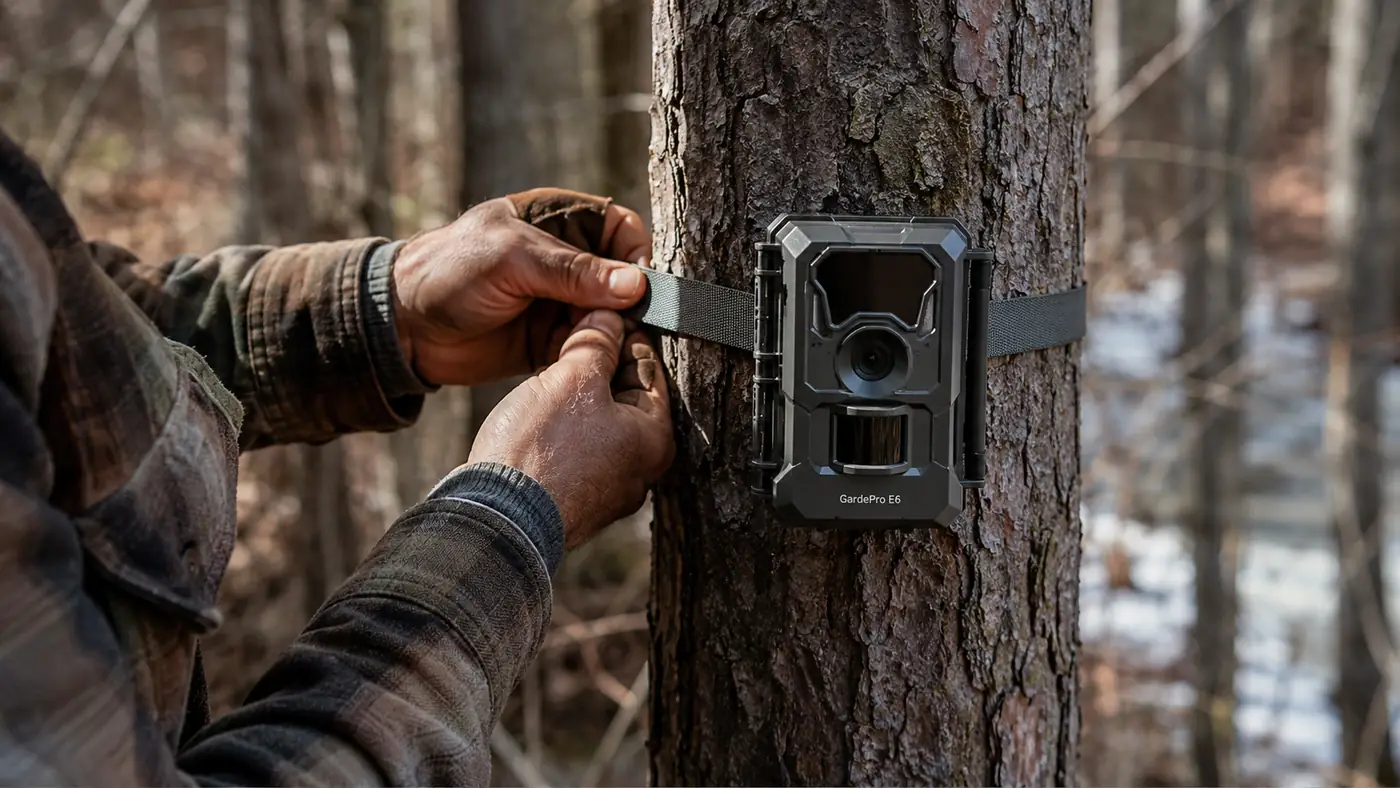
Older cameras with a visible red flash will hang a lightshow in the timber every time a doe walks past at midnight, and mature bucks notice. The E6 uses no-glow infrared, so the camera fires and the deer never knows it's there. I've had the same 8-point cross the same trail eleven nights running on one of my cameras. He'd have found a new route by night three if he'd seen a flash.
WiFi Pull Means You Check Photos Without Ever Walking the Property
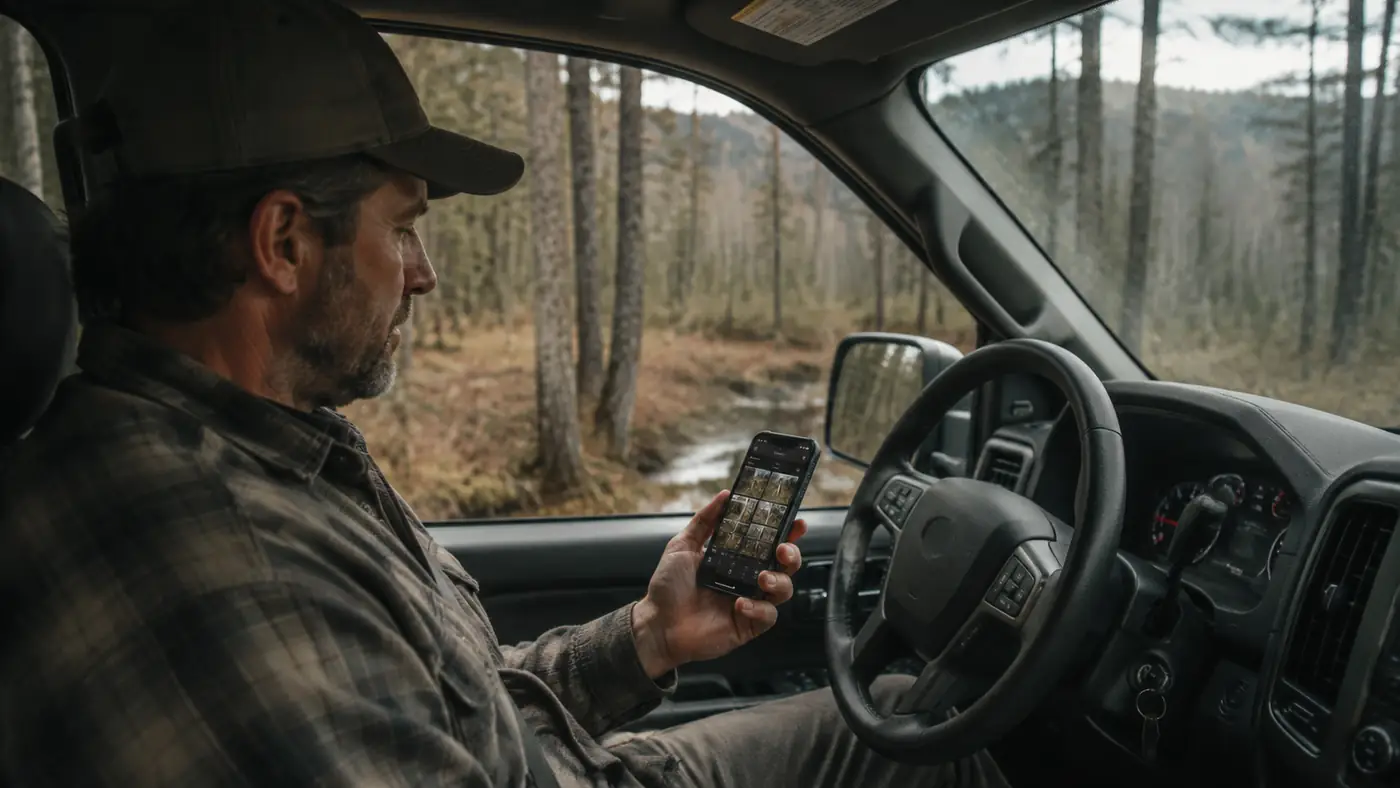
This is the one that changed my scouting the most. The GardePro E6 pushes photos to an app on your phone over its own WiFi signal, so you pull cards from your truck seat or your porch instead of hiking in and leaving scent all over the trail you're trying to pattern. I check three cameras most Sunday mornings without ever getting out of the cab.
It Survives Whatever Oklahoma Weather Throws At It
I've had this camera through ice storms in January and a hundred and six degree stretch in August, strapped to the same post the whole time. It's rated waterproof and it's held up through everything I've run it through, including one flash flood that put six inches of water across the low end of my lease. Gear that quits in bad weather is gear that quits right when the rut heats up. Cheap plastic housings crack in a hard freeze, and I've seen a buddy's off-brand camera fail after one wet week in October, right in the middle of the window that mattered most.
64MP Photos Let You Actually Score a Buck From a Trail Cam Image
A blurry, low-res photo tells you a deer walked by. A sharp 64MP image at 1296P shot on the GardePro E6 tells you how many points he's carrying, whether his G2 is broken, and if he's the same buck you passed up last November. That level of detail is the difference between guessing and knowing you're hunting a specific, identifiable animal.
Battery Life Means You're Not Re-Visiting the Spot Every Two Weeks
Every trip into a bedding area to swap batteries is a trip you're leaving scent, sound, and boot tracks right where you don't want them. I run mine on eight AA batteries and get well past two months of steady use before I need to touch it again, which means the deer using that trail have plenty of time to settle back into a normal pattern between visits. I've swapped batteries on this camera exactly twice in three seasons, which tells me the drain is low enough that I can set it and mostly forget it until I'm ready to pull cards for good.
It Shows You the Pinch Points You'd Never Find Just Walking the Land
I put my first GardePro E6 on a fence gap I almost didn't bother with, figuring it was too tight a squeeze for deer to use much. Turned out to be the busiest trail on the property, forty-some photos a week once the acorns started dropping. You can't see a pinch point's real traffic with your eyes. You see it with six weeks of timestamped photos.
It Confirms Whether Last Year's Shooter Buck Made It Through Winter
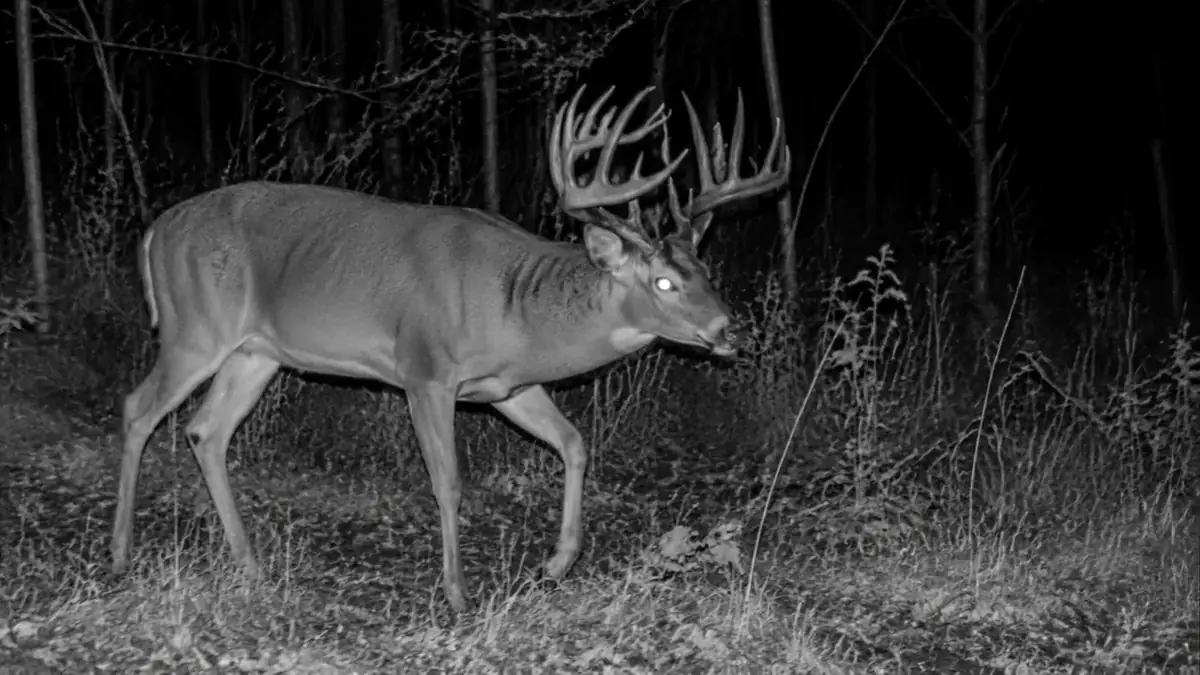
Every hunter has a buck they passed on and hoped to see again. Rather than burn opening weekend finding out he didn't make it, a camera running through late summer answers that question weeks before you ever load a rifle. Two years back my camera told me the 10-point I'd passed twice had died or moved off, and it saved me three sits on a stand that wasn't going to produce him. That kind of confirmation matters more than people think. It's the difference between hunting a spot on hope and hunting it because you know what's actually still walking through.
It Cuts Down the Human Scent You'd Otherwise Leave Checking the Spot
Every walk into the woods to check a mineral site or a scrape is a chance to leave scent a mature buck will smell for days. Since the GardePro E6 lets me pull photos over WiFi from the truck, I've cut my actual foot traffic into my best pinch points down to almost nothing before season. Less scent intrusion means the pattern you're watching stays honest instead of shifting because you spooked it yourself.
It's Cheap Insurance Against Hanging a Stand in the Wrong Tree
A stand in the wrong spot costs you a whole season, not just a bad sit. I've watched guys hang a stand off a hunch and grind out ten sits for one deer sighting. A trail camera running six weeks before you ever climb a tree tells you exactly where the deer are actually moving, so the stand you finally hang has real traffic under it on day one instead of a guess.
What I'd Skip
I wouldn't bother paying a monthly cellular plan for a camera on ground I can drive by twice a week. That's money for a feature I don't need on my own lease. I'd also skip checking any camera too often in the middle of the day just because the app makes it easy. Even a WiFi pull from the truck adds up if you're doing it every afternoon, and I've seen guys undo their own good scouting by hovering over a spot too much once the photos start getting good.
A trail camera doesn't hunt for you. It just stops you from guessing.
Stop guessing where the deer are moving
Six weeks of real photos beats fifteen years of hunches. Get a GardePro E6 running on your best pinch point before the pre-rut starts.
Amazon Check Today's Price on Amazon →